SARAH DURRY
“mähawa collections”
Before history was written, it was adorned. Centuries of tradition and memory etched into striking pieces of gold, silver, and bronze——dyed silks, ivory, leather, glass, and bone. If you think about it, the human body was the first gallery. Wearable archival collections showcasing one’s identity, power, culture, and belief.
Jewelry and clothing have always been a means of storytelling and function. A ring could mark a promise or rite of passage. A necklace could speak to protection or conceal a weapon. A bracelet could signal status or hide secrets in its metalwork. Even different colors declare one’s belonging and intention.
But, in a world racing towards the ephemeral, these languages have grown faint; some already fading, others on the verge of disappearing altogether.
Still, the stories remain. And there are those, like our #artist2lookout4, who are committed to illuminating them.
Say hello to founder and creative director of mähawa collections, Sarah Durry.
Currently based in Addis Ababa, Ethiopia, Durry’s creative process (life, really) has always been rooted in heritage. Now, that foundation holds more purpose than ever. “I’m Ethiopian, but I’ve spent most of my life in the US, Yemen, and Kenya,” she explains. “Coming back and spending this much time [in Ethiopia] has been transformative. It’s allowed me to explore my creativity in ways I’d always dreamed of but had been too shy to pursue.”
For her, this chapter is more than a homecoming; it’s a return to herself.
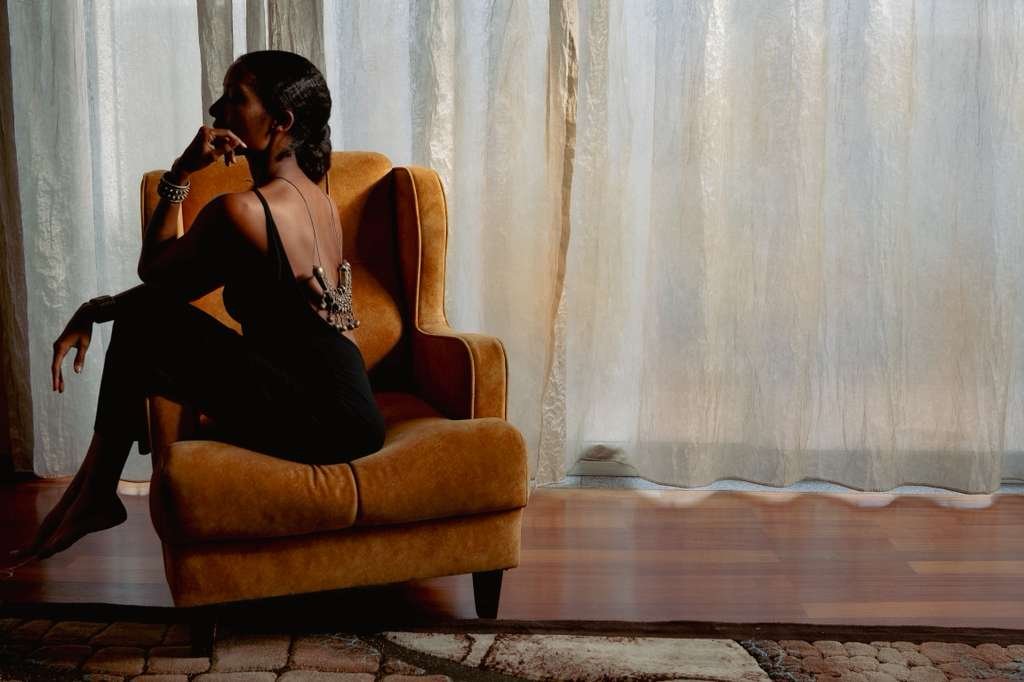
ባህልዋ በእውነት ይደንቃል
adaze hullube yidinqal | her culture is truly astonishing
What sparked this journey? A recent layoff from her full-time role. “It was the universe nudging me to do what I was too afraid to leap into,” she reflects. A testament that sometimes what seems like a setback is just redirection, and how passion and purpose can intertwine if we allow them to.
Durry’s professional background is in public health. Inspired by her father’s lifelong dedication to public service and global work with the Centers for Disease Control and Prevention (CDC), she cultivated a deep respect for community and humanitarian service. She earned a Master’s in Development Practice at Emory University and works extensively with SaniPath International as a senior public health associate, collaborating with communities across Africa and Asia to improve water, sanitation, and health. From Madagascar to Mongolia, her efforts have helped bring clean water, essential resources, and education to vulnerable populations.
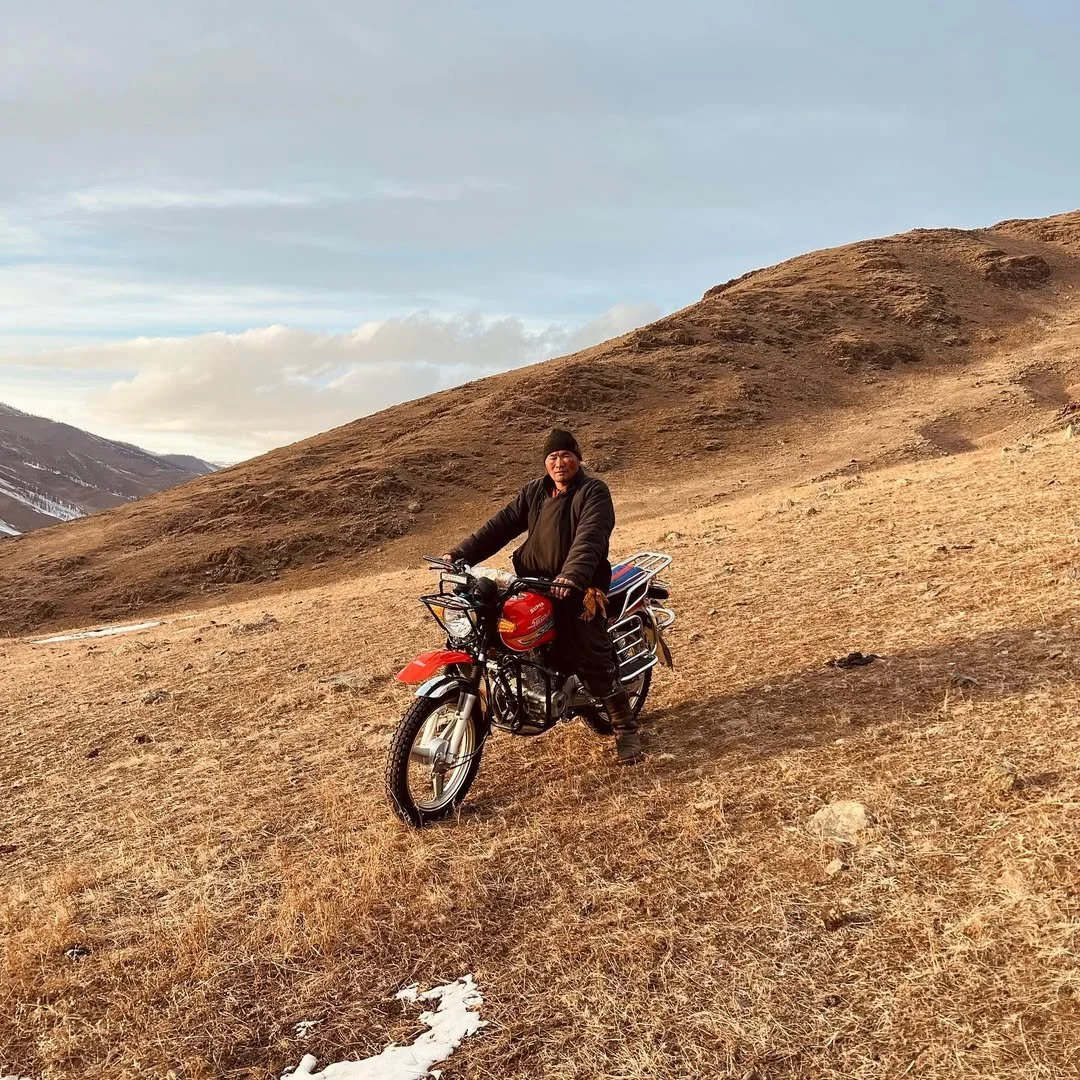
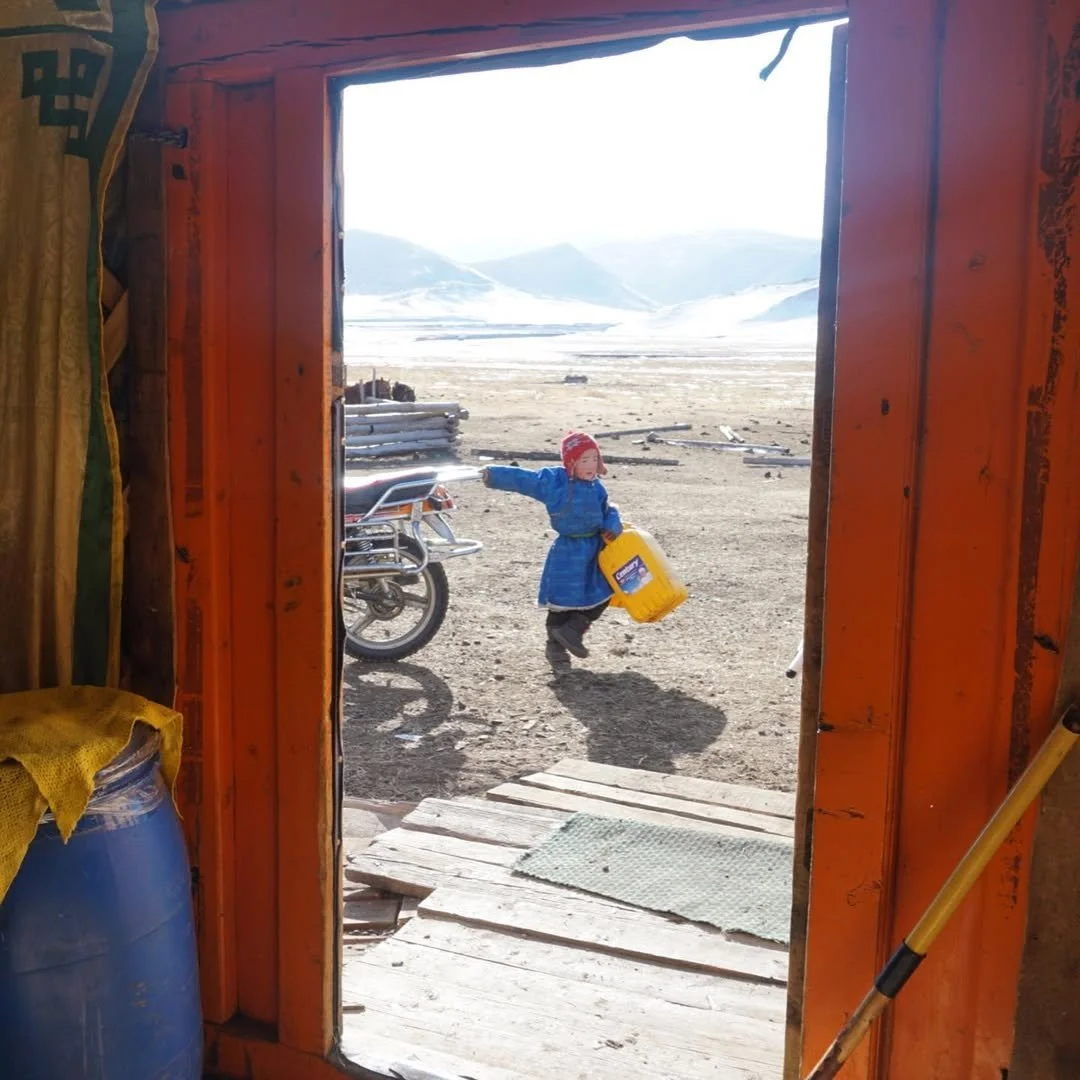
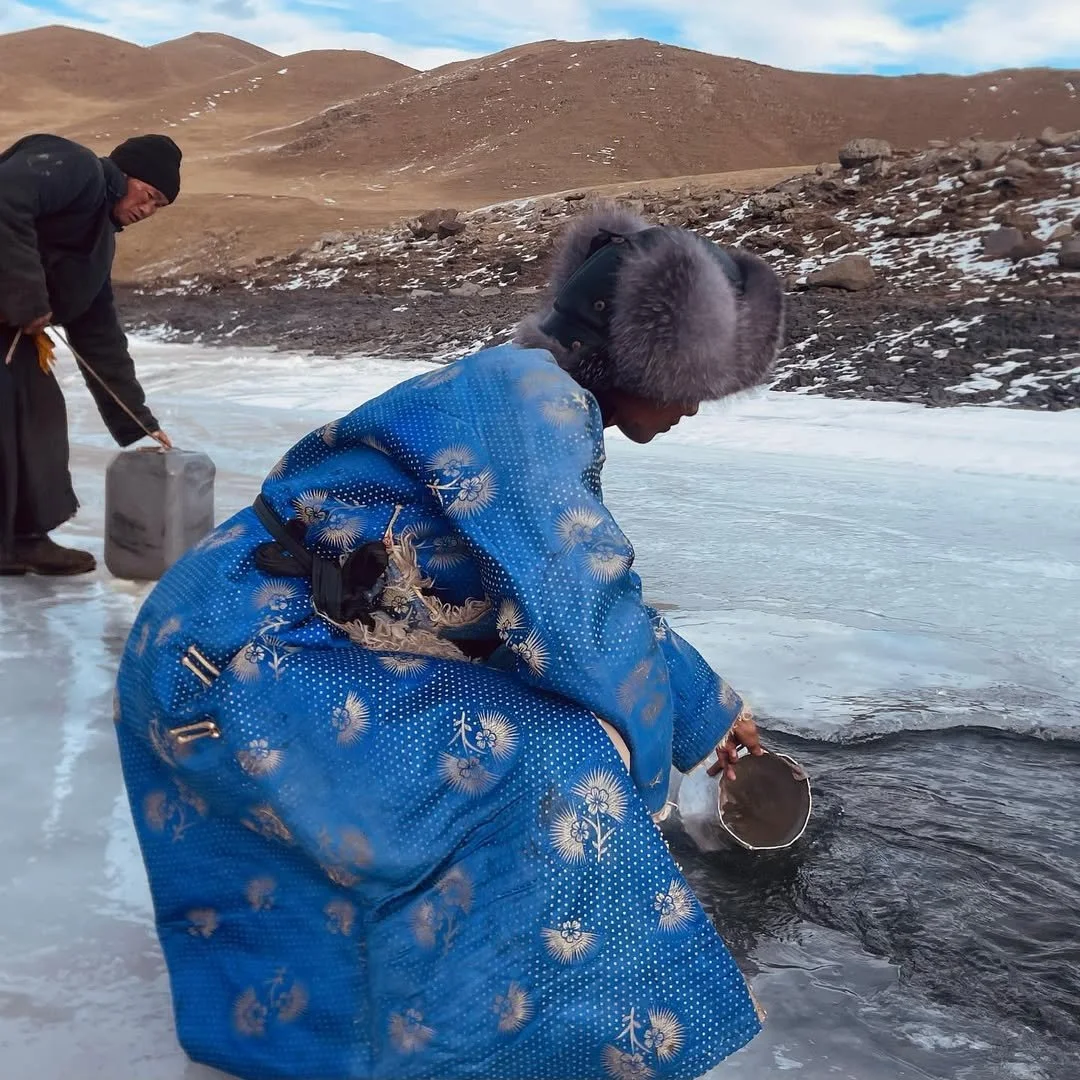
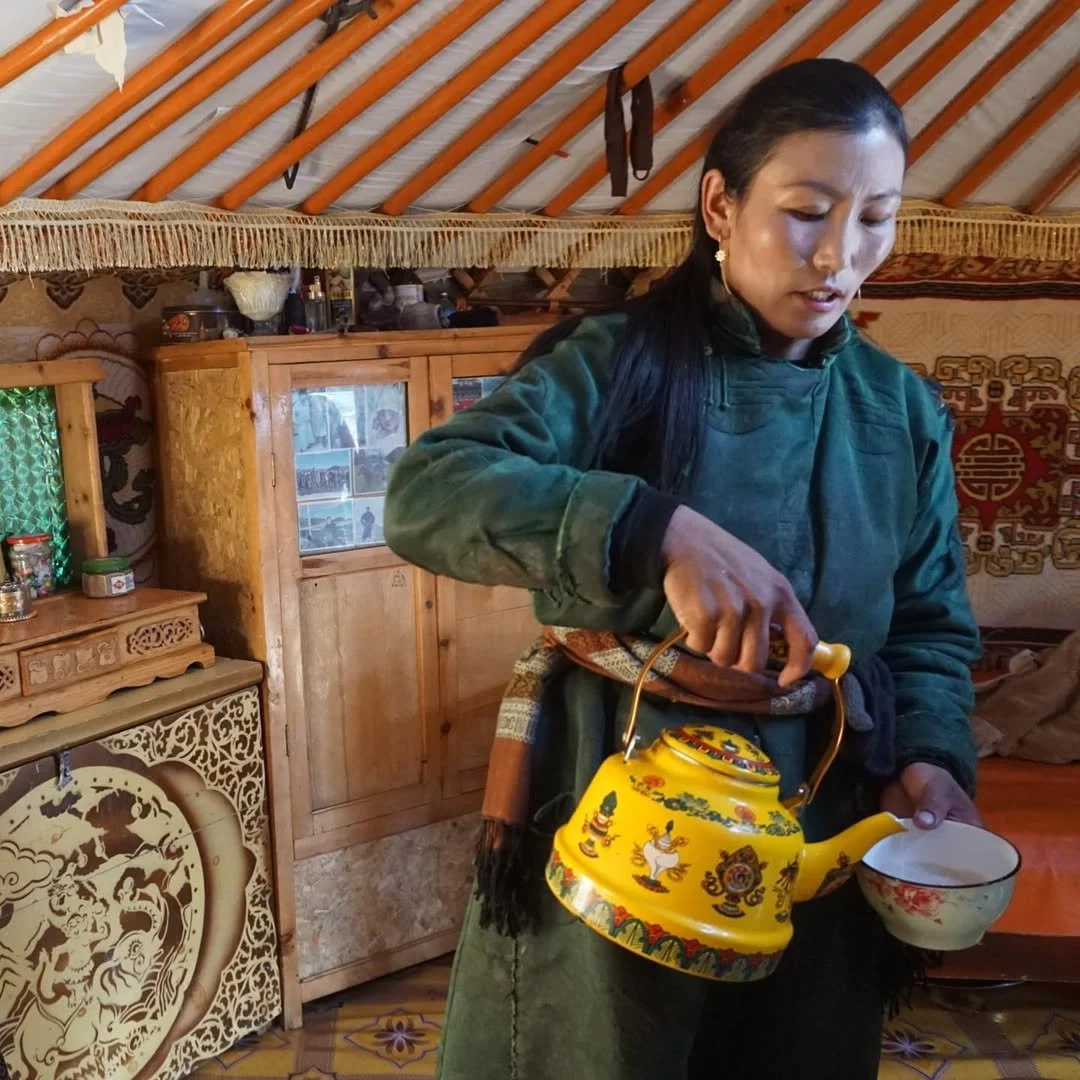
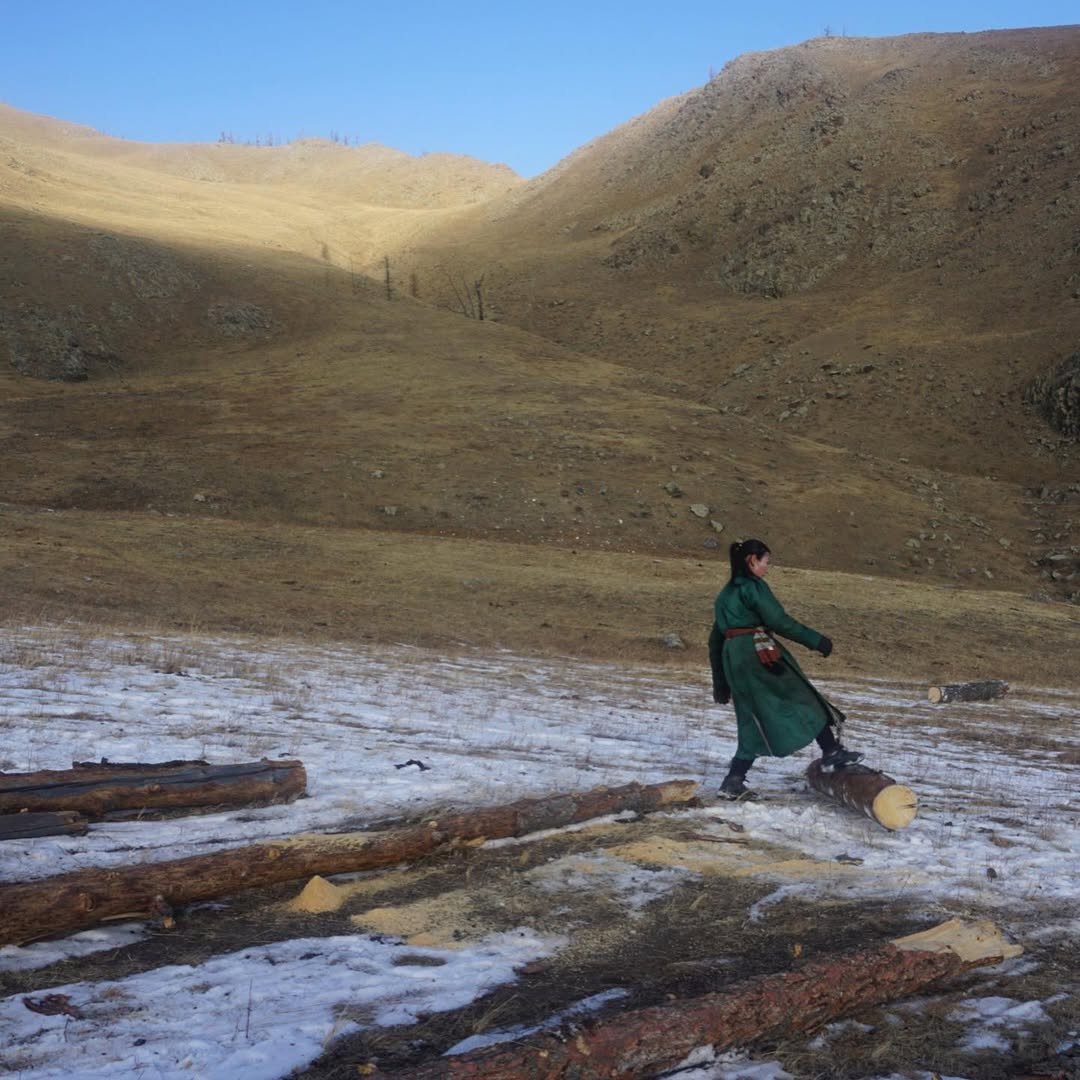
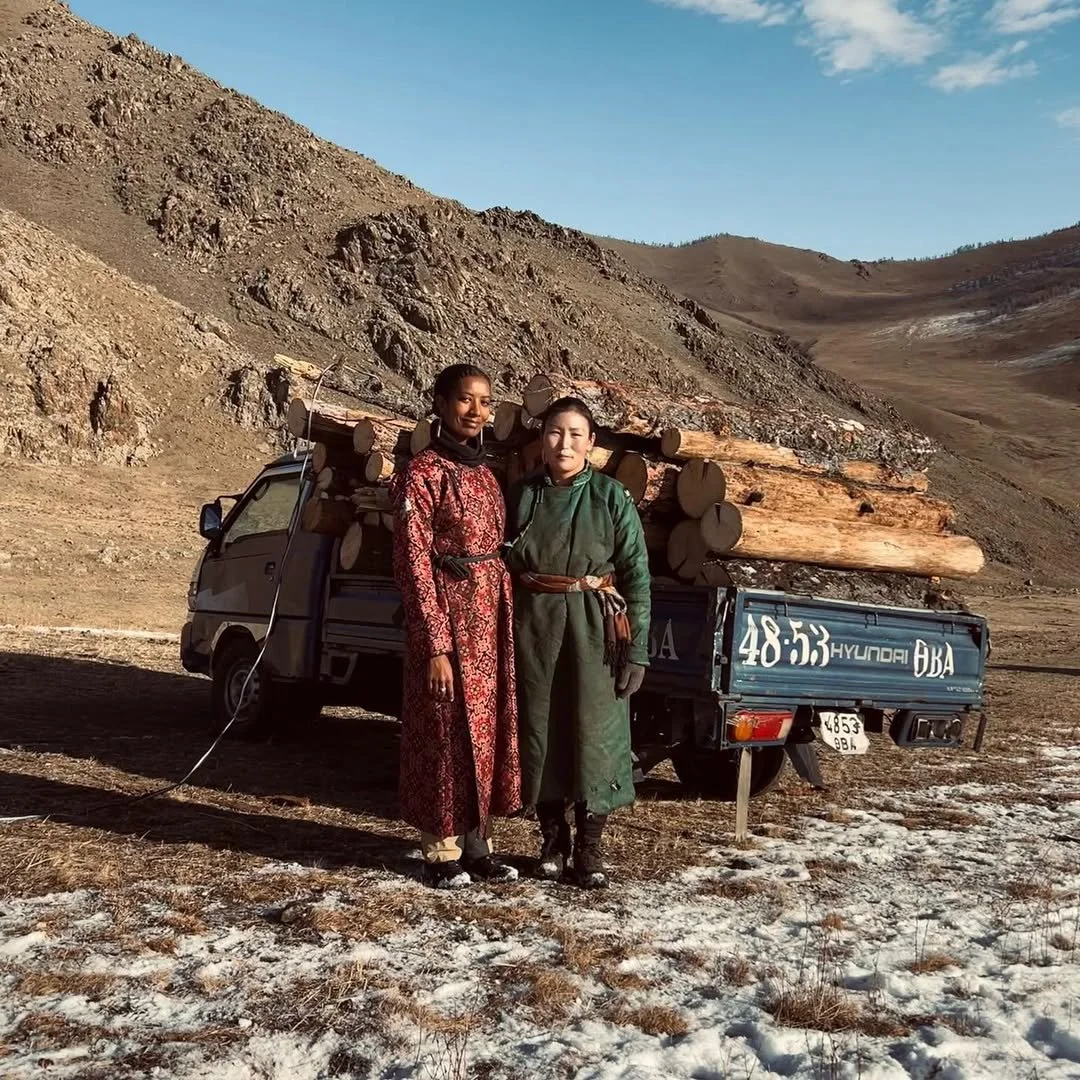
Her experience taught her the importance of listening, building trust, and preserving practices. Lessons she brings to mähawa today.
Mähawa, inspired by Durry’s Harari origins, is a Gey Sinan word that literally translates to “things” or “stuff”. The name might seem unassuming at first, but it captures the very heart of what she is working to maintain: the cultural objects, heirlooms, adornments, and everyday artifacts that hold the memory of a people. “Gey Sinan is a dying language. When you realize your language is dying, you understand how fragile identity is. That’s why preserving who we are has always felt urgent to me.”

This, unfortunately, isn’t a new phenomenon. Across the world, long-held cultural practices are slipping away as materials grow scarce and conflict wipes out people who once passed these skills on. Techniques that survived for ages are now endangered because the social, cultural, and natural ecosystems that sustained them are collapsing or already gone.
“So much of the history we share across East Africa, the Horn, the Middle East has never been taught to us. Even understanding who made these pieces, who wore these pieces, and when they were worn is knowledge that is disappearing. This work comes with a lot of continuous conversations with the people whose cultures I’m sharing. There are so many people from me to learn from, people who are already doing this work. And it starts with my family—asking them if I’m doing this in a way that honors the traditions.”
Via stunning jewelry, embroidered trousers, handwoven baskets, and even the city’s vibrant doors, Durry retraces a thousand-year-old story of Harari trade, faith, artistry, and cultural exchange, all rooted in the city’s deep Islamic heritage. She shows how these items are more than decorative; they’re living narratives to a rich, interconnected legacy. And through her safeguarding and sharing of these heirlooms, she connects past to present,(re)imagining a future where tradition is remembered.
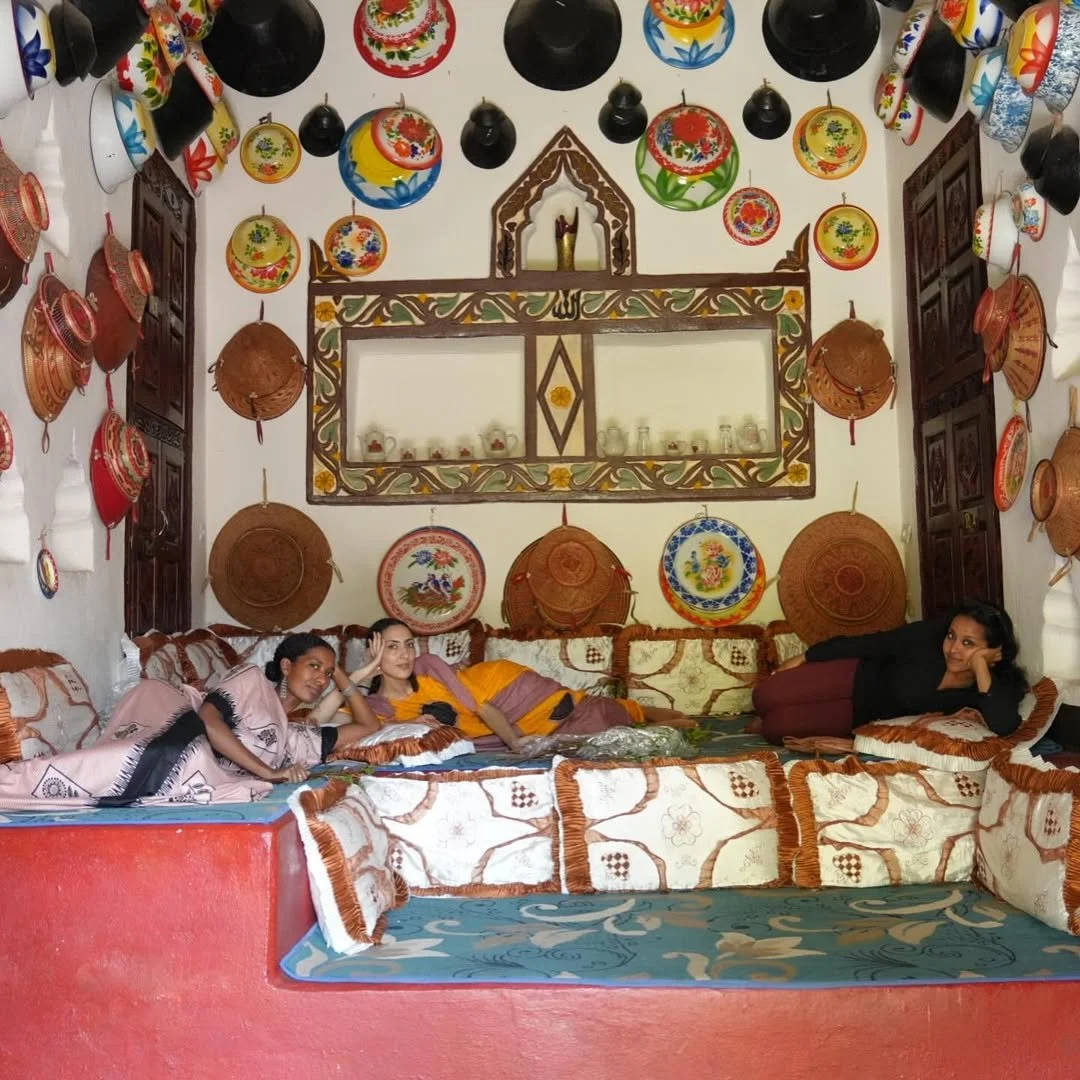
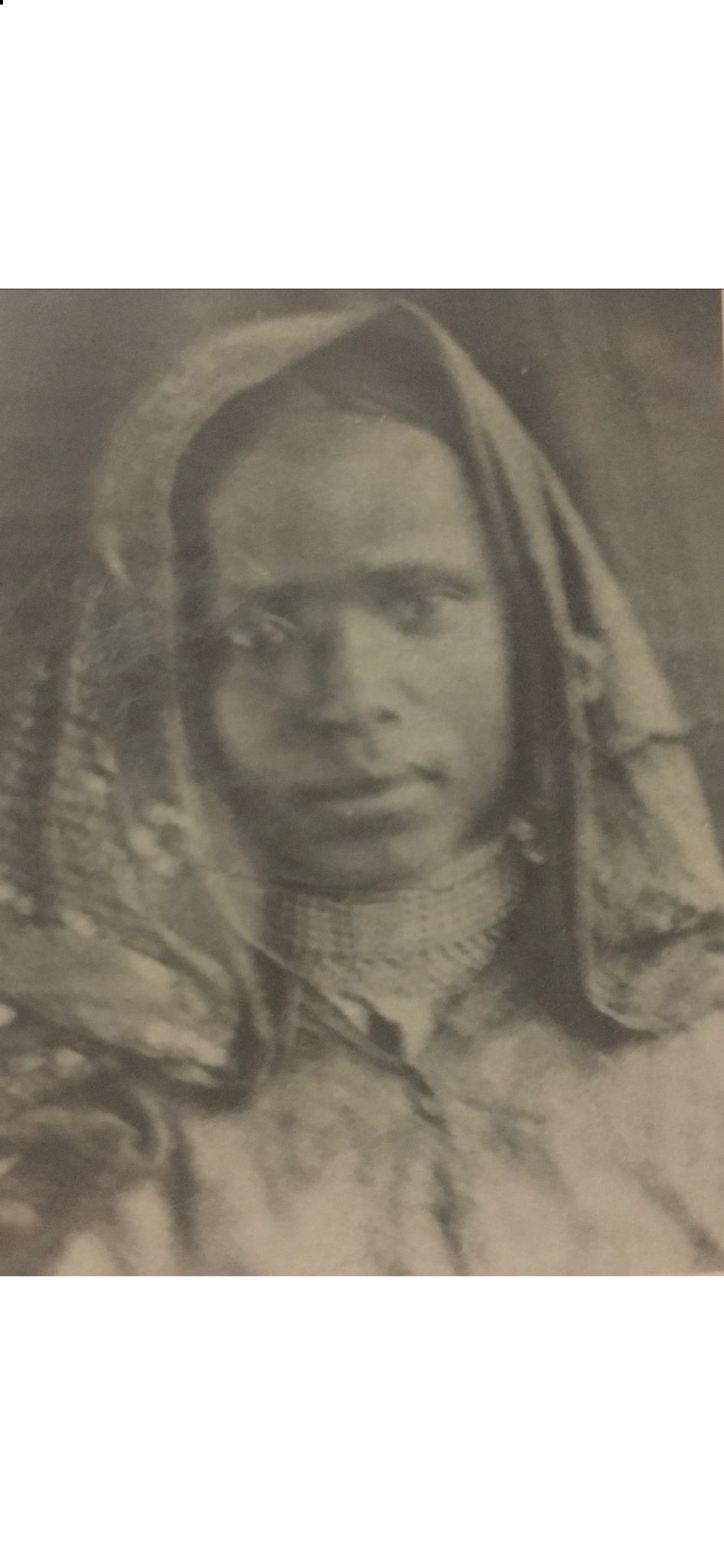
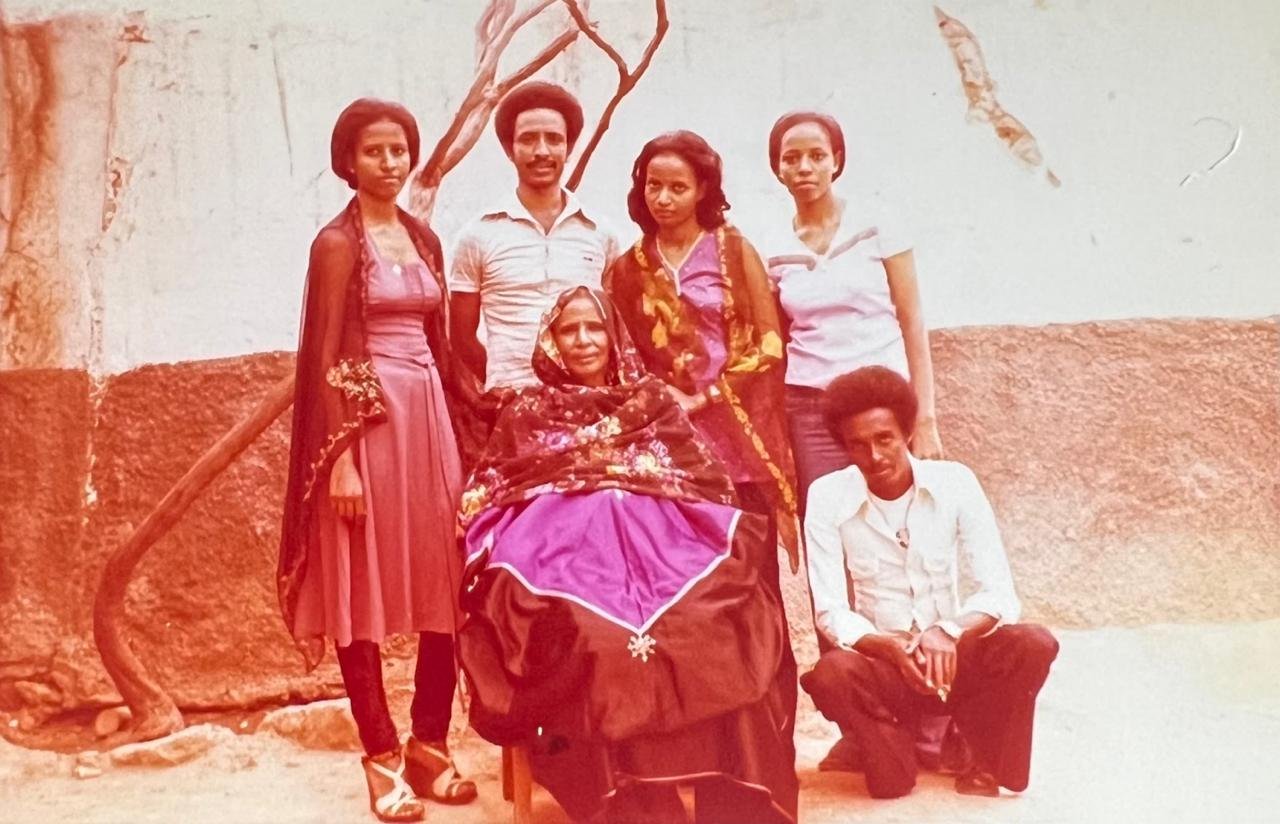
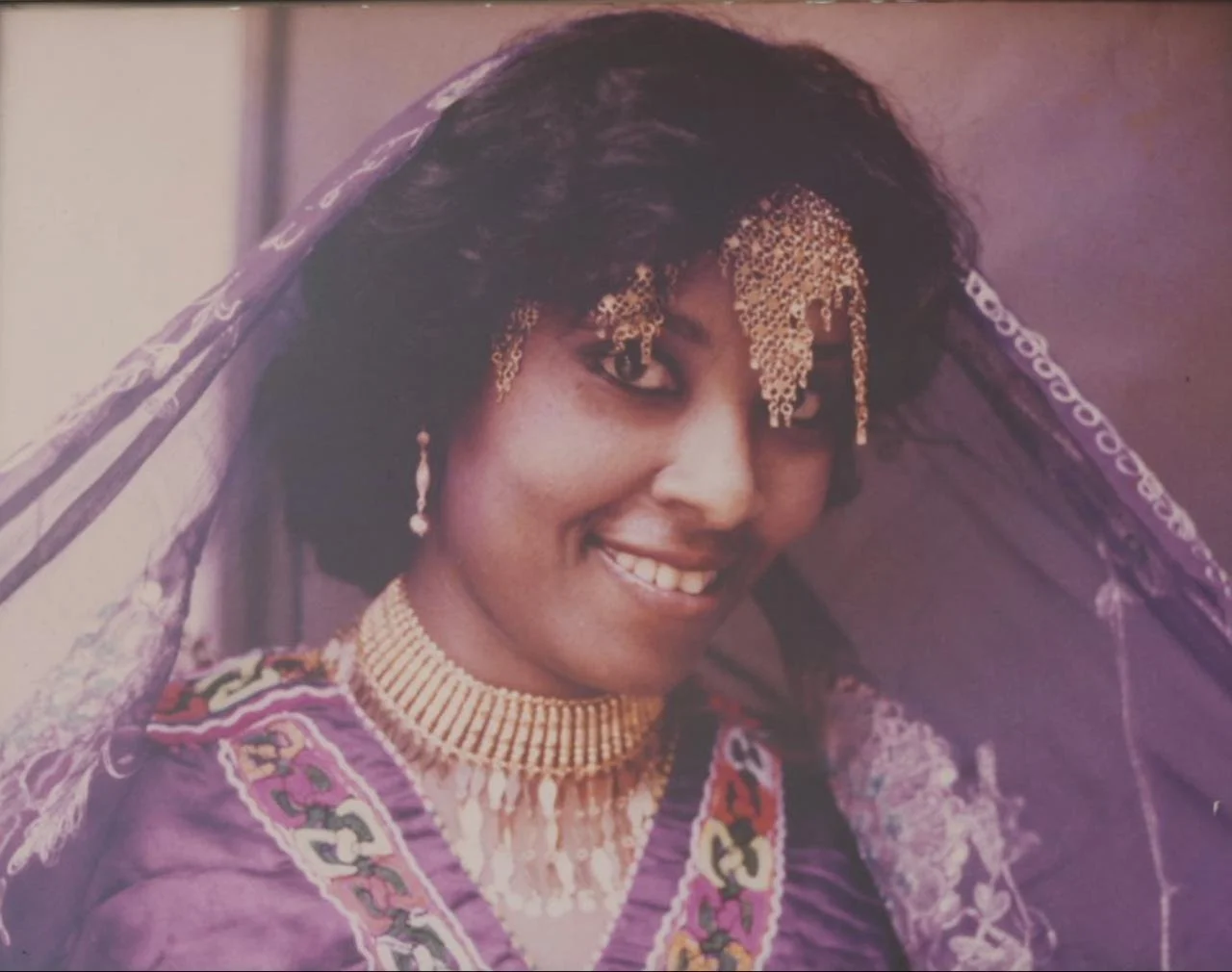

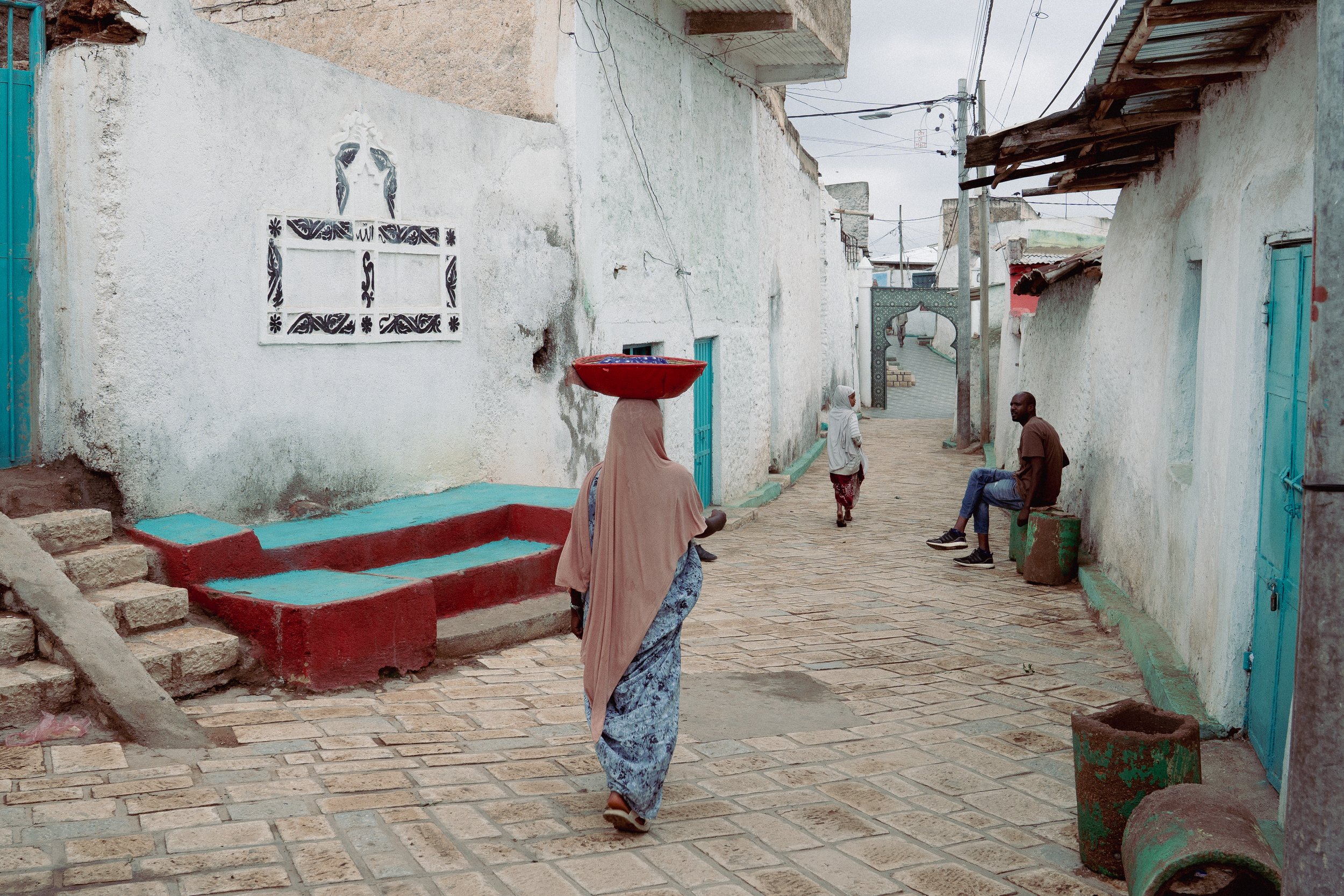
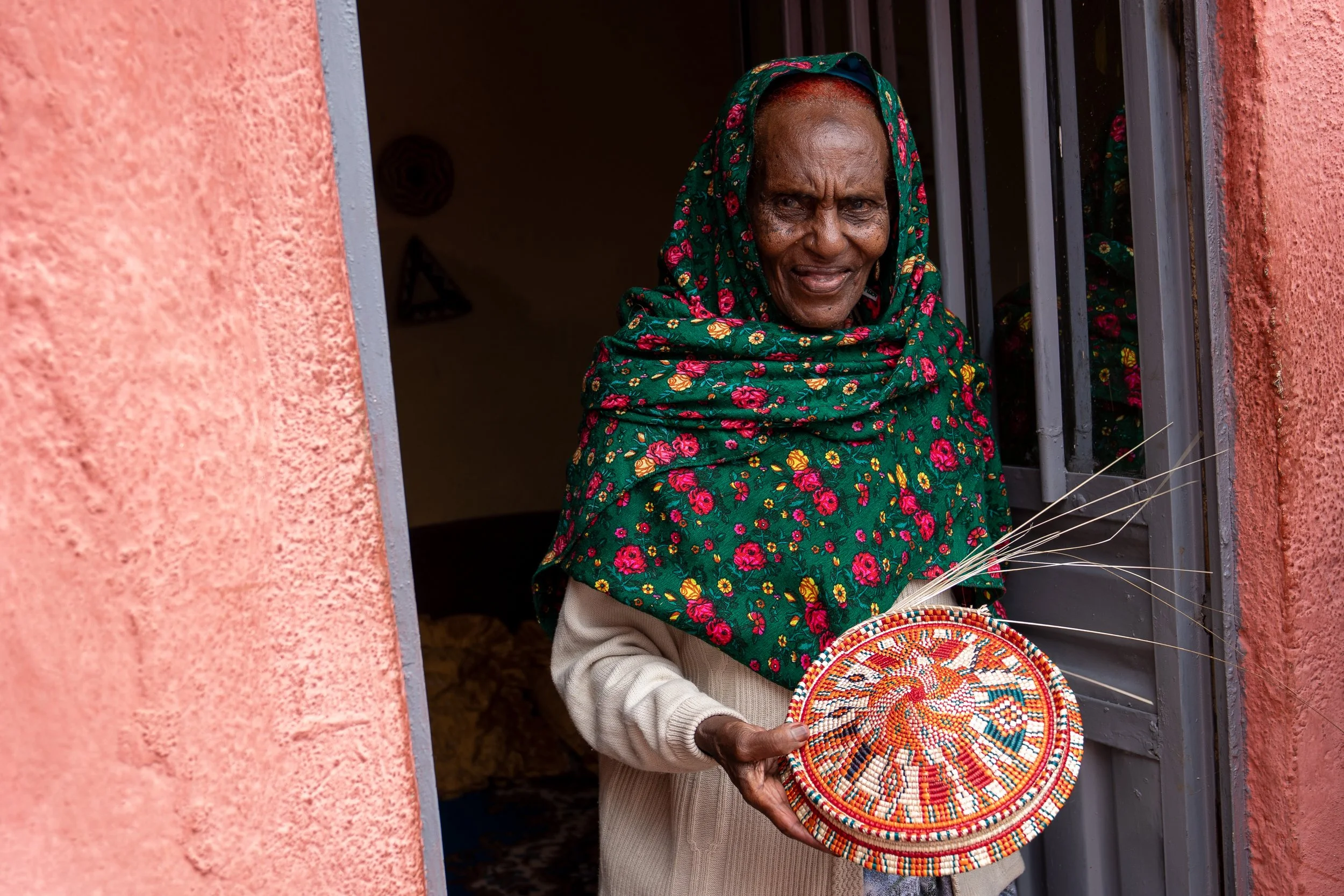
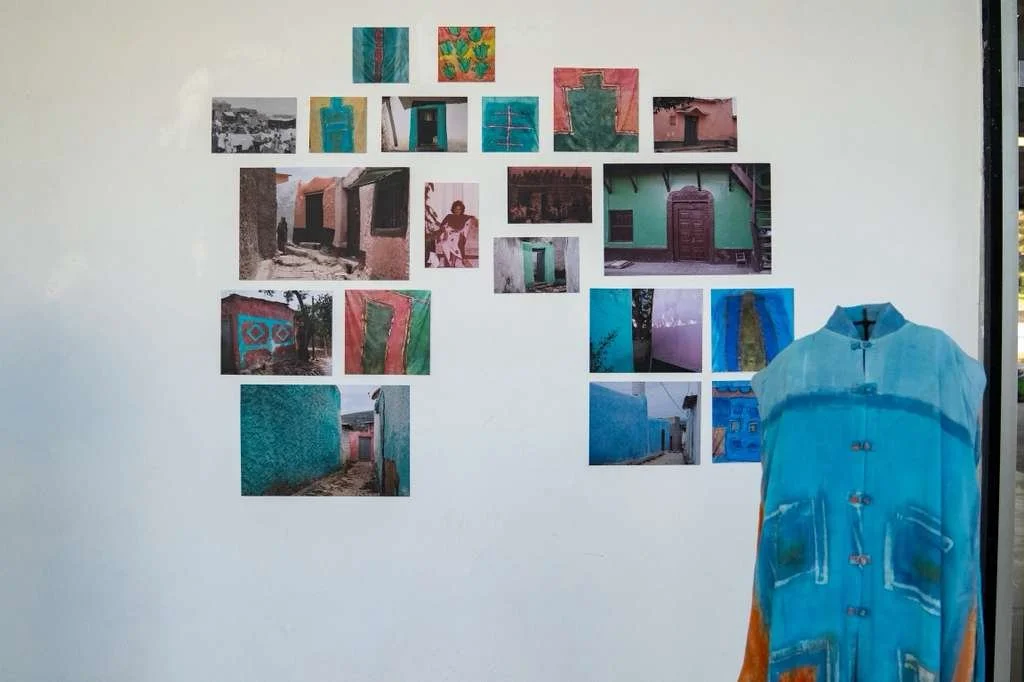
Quick history lesson: Ethiopia conquered Harar in 1887, but before that, Harar was an independent emirate, shaped by centuries of leadership under its own amirs and by the legacy of the Adal Sultanate. “Our world has always reached beyond borders. Indian traders, Yemeni scholars, Somali neighbors, Egyptian merchants, and travelers from across the Red Sea and the Indian Ocean all left threads in our fabric, including my own great-grandfather, who came from Gujarat as an Indian merchant. Those connections never diluted us. They made our culture deeper, richer, and even more uniquely Harari,” says Durry.
She continues, “Scholars like Ariella Aïsha Azoulay really resonate on my approach to how I think about objects, memory, and repair. And Harari historians, especially Ahmed Zekaria, have been essential in helping me understand the history I come from—the nuances, the timelines, the connections. Their work helps me approach mähawa with more responsibility and clarity.”
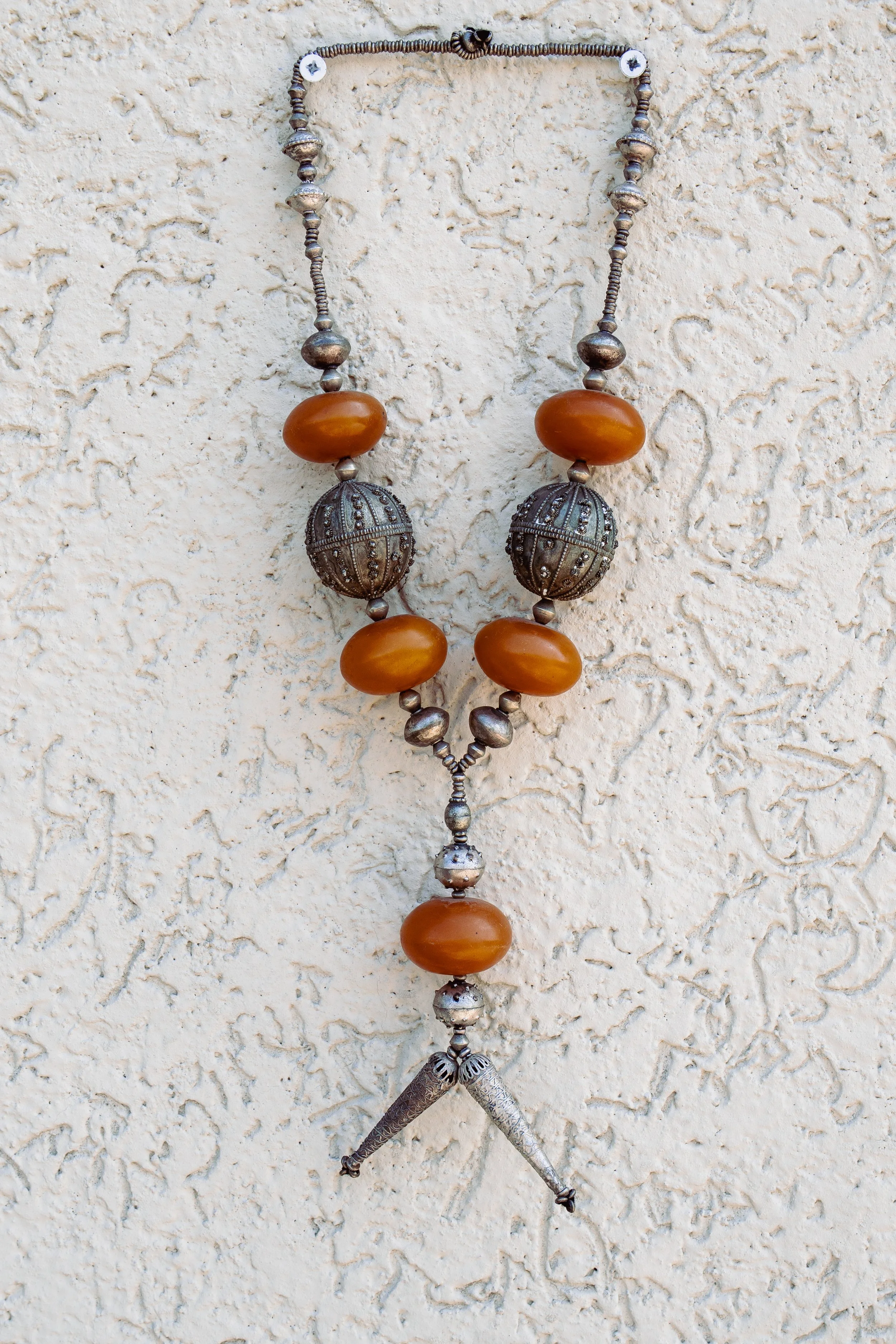
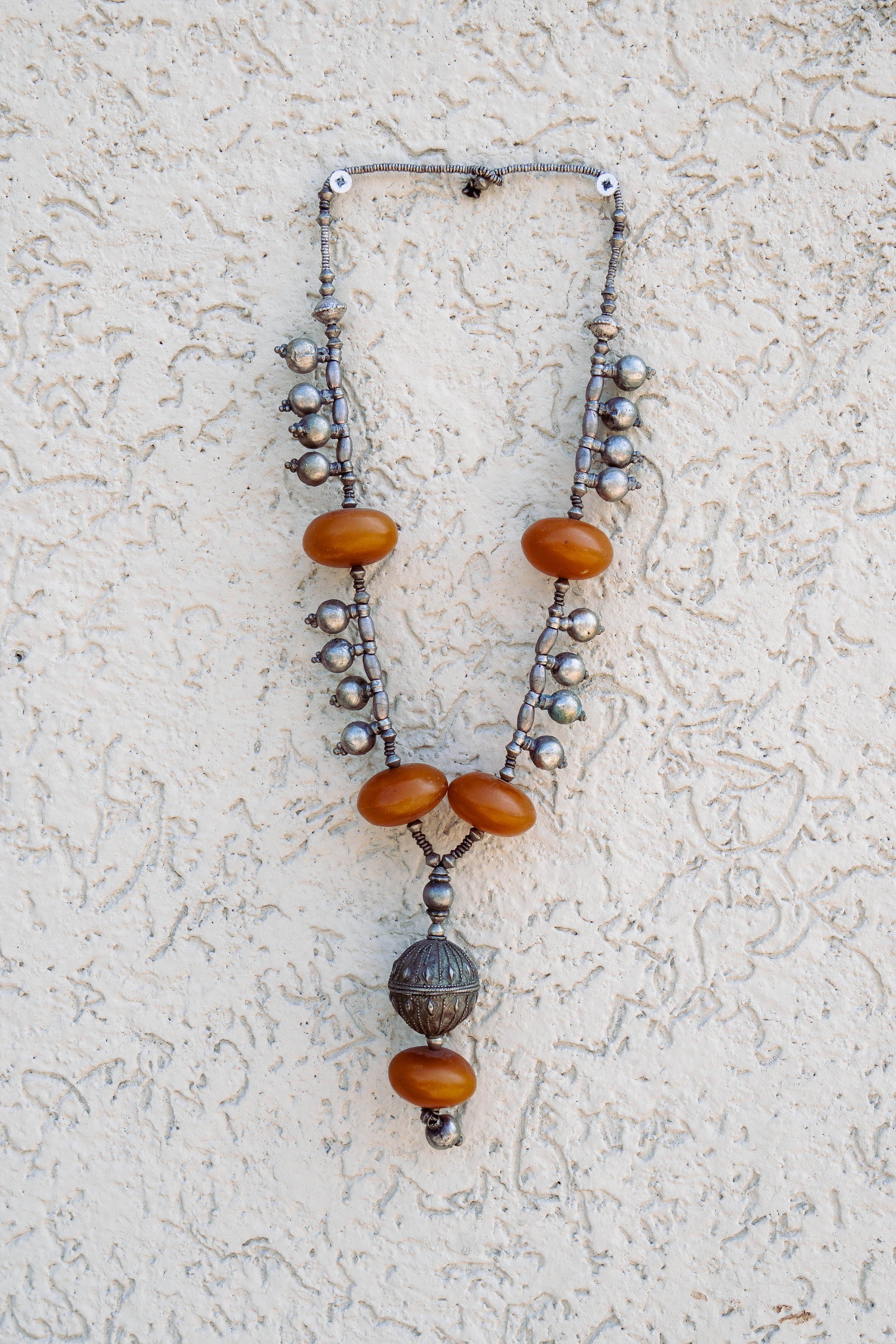
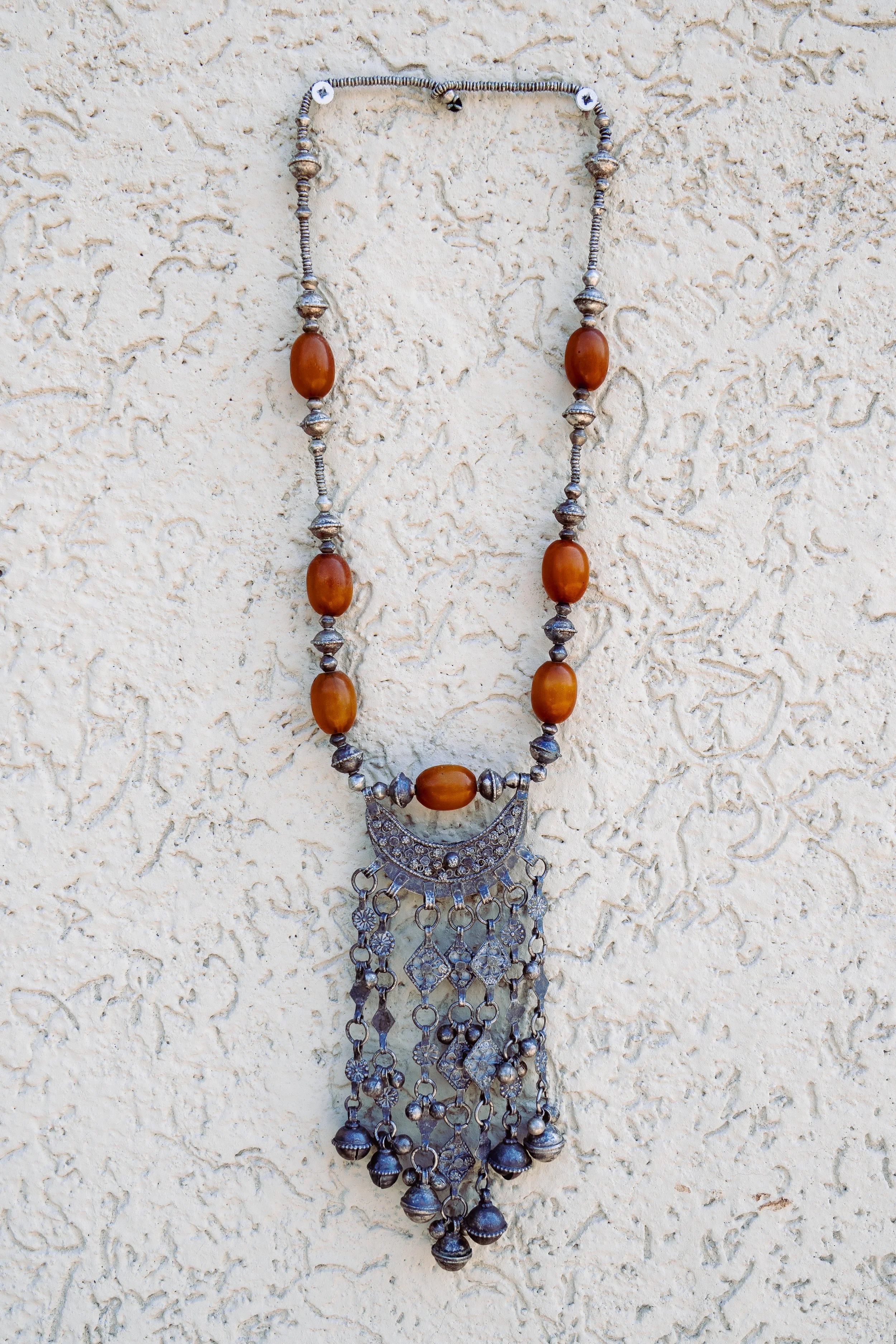
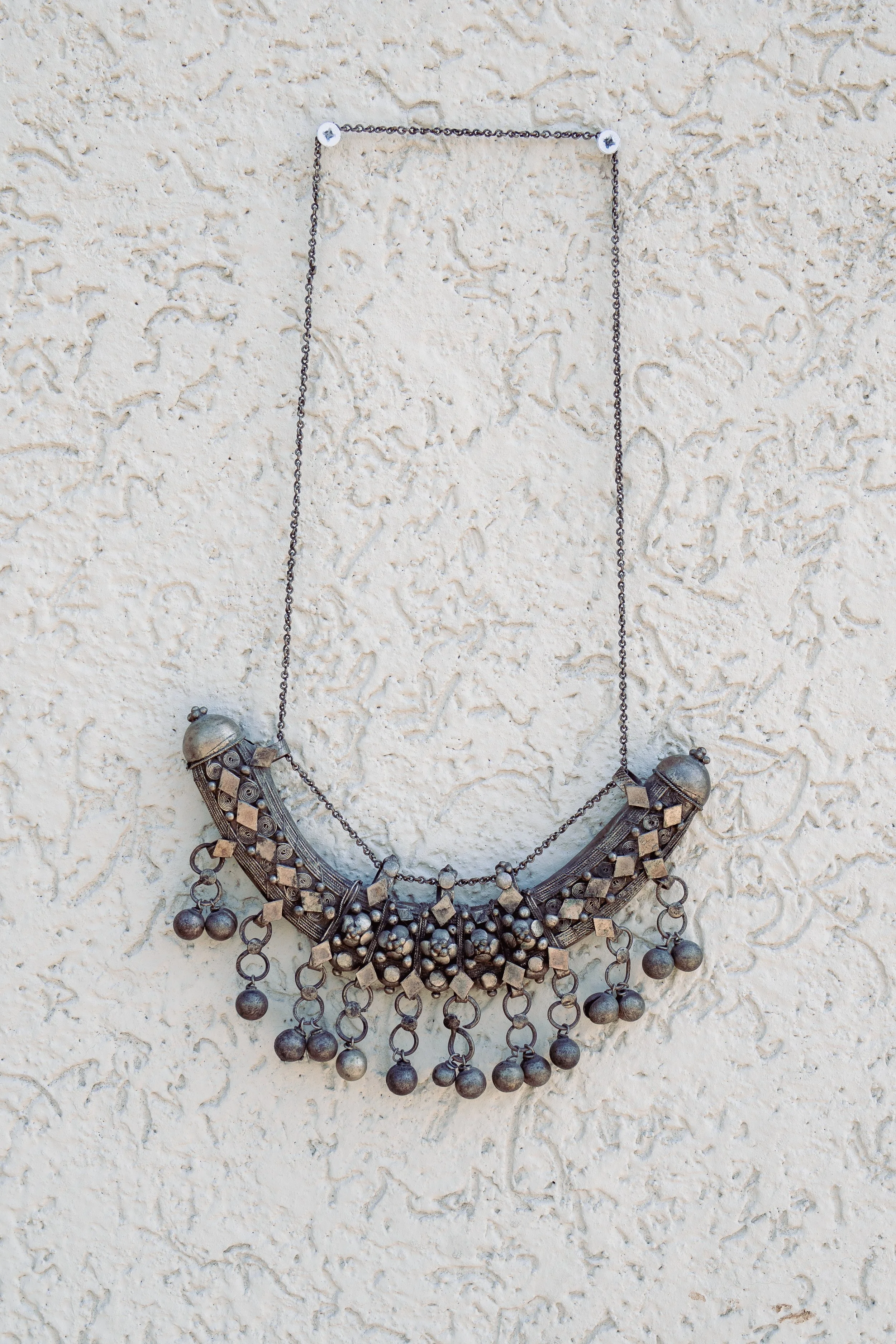
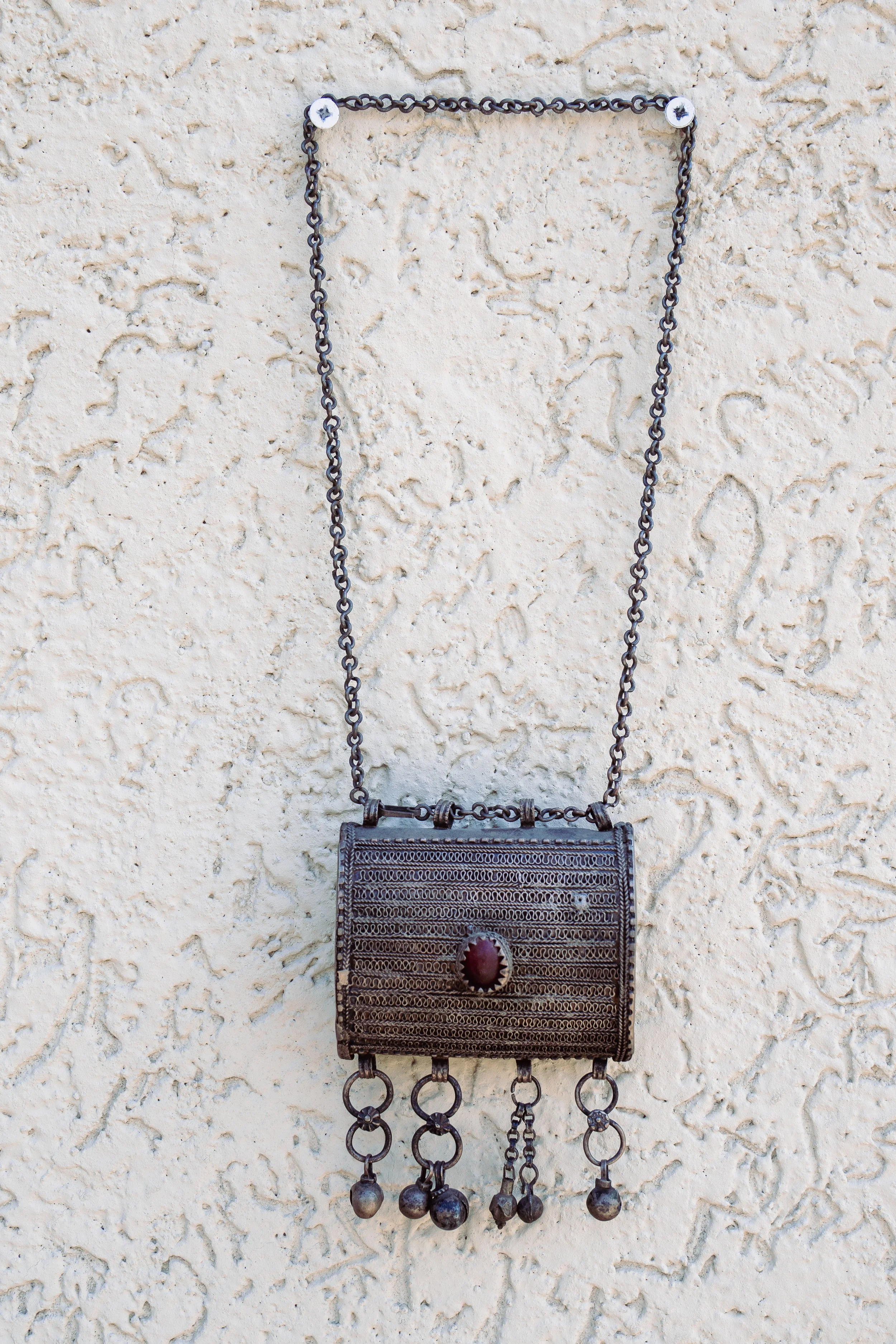
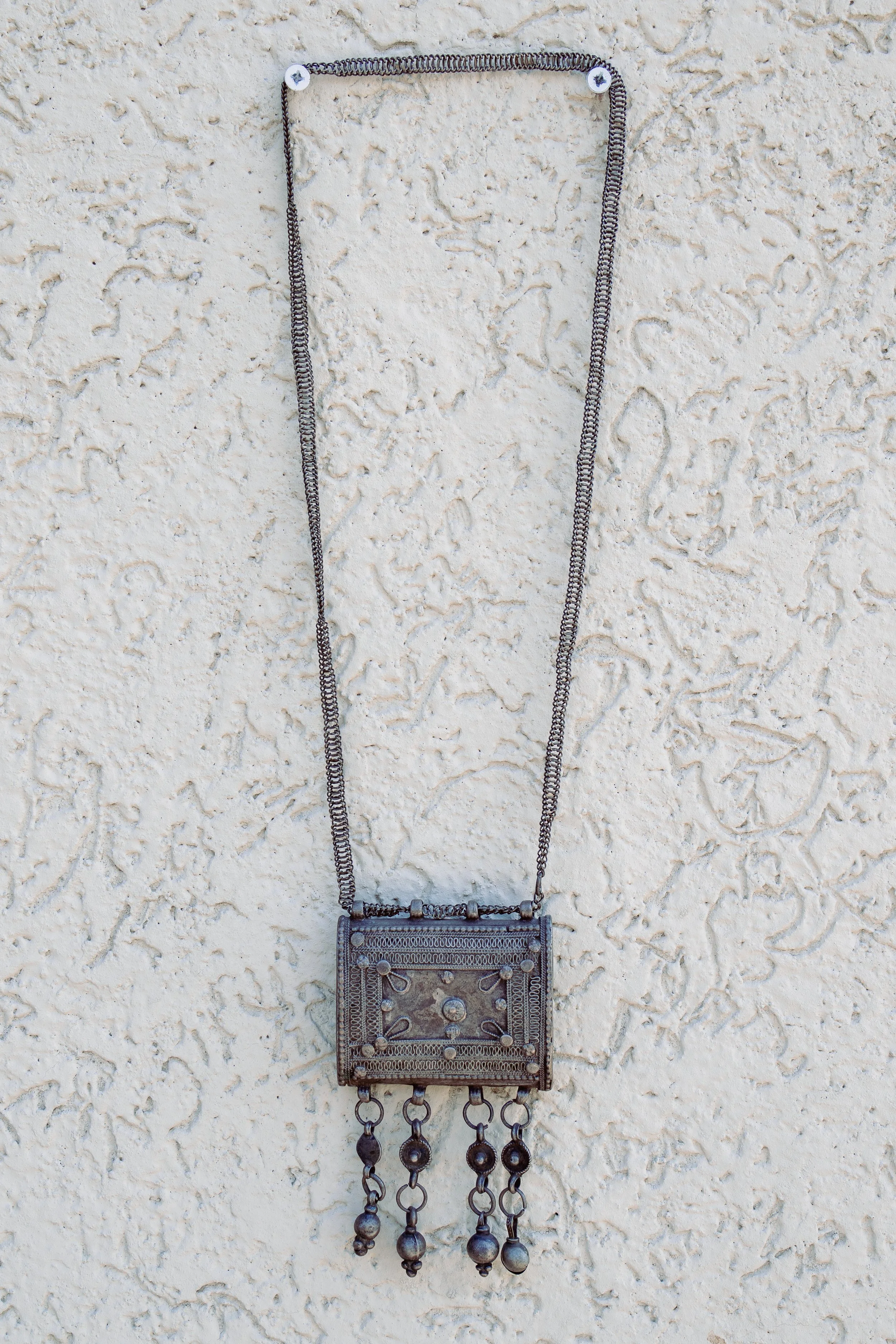
Each piece she showcases exists along a scale she’s dubbed the ‘Continuum of Living Tradition’, honoring how cultural practices endure, change, or fade across time: (1) Flourishing, traditions that are actively practiced, passed down, and proudly worn; (2) Fading, the practice is still known, but adornment is less visible with each generation; (3) Fragile, pieces are survived via limited use, but are vulnerable to loss; and (4) Forgotten, it’s no longer practiced, and tradition is remembered only in traces.
Part gallery, part collection, mähawa celebrates the spirit of living cultures—blending design, photography, and storytelling to highlight communities everywhere. Durry invites us to explore and connect with artisans and cultures that might otherwise go unseen. Intention is key to her practice. Every piece carries meaning. “There’s no one-size-fits-all for preservation. You have to approach it based on the object, the story, the people.”
You’ve worked with communities worldwide on issues like safe water and essential services. How does your humanitarian perspective inform mähawa’s mission?
The biggest part is making sure dignity is one of the main pillars. Respect and dignity are so important. I did a Master's program in Development Practice at Emory. The whole foundation of it was you are not the savior. You need to remember everywhere you go that you need to listen to what people need, and then see how you can apply your expertise to help people with what they need. You don't know more than them. Why would you know more than them? They are from there, you are not. This thinking was built in me, even through watching my father's work in public health and seeing his positionality as an Ethiopian man, a Muslim man, working all over the world, and how much more people trusted him because their experience with other people was ‘I'm better. I know more. We're going to save you.’ And that's just not right or true. You can’t just implement something. You actually have to understand the community and the culture. So, that's always been an important part of how I move in my public health work. In this work with mähawa, I have to make sure I’m continuing to ask questions, continuing to learn from those that have been preserving this work, this culture already. There's so many people for me to learn from. Even though they may not have the same connections that I have, in terms of being able to go to the US and having a network of people that might be interested in buying these things, they know so much more about what I'm trying to learn and share with others. So, one is to make sure I am properly including them in what I'm doing—starting with my family. We just did a fashion show in Milan, Italy where we were invited to showcase a lot of Harari pieces. This was in collaboration with another Ethiopian designer here in Ethiopia by the name of Mastewal Alemu. But before that happened, I reached out to my mom and a couple aunts. It was really important to get their blessing. Like, do you guys feel okay with me sharing this on the stage in Milan? And if you feel okay with it, am I doing it in a way that you feel honors the traditions? Really doing my due diligence on the meaning of these pieces and why we’d wear them and who would wear them. I want to also make sure I'm understanding and walking that line with respect as well.

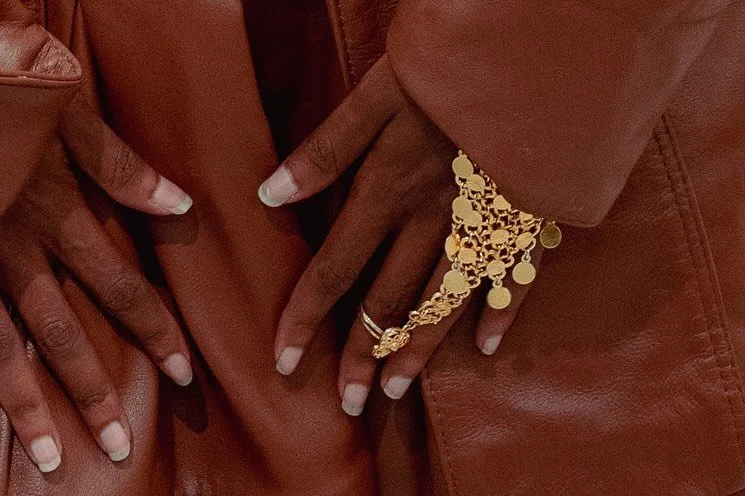

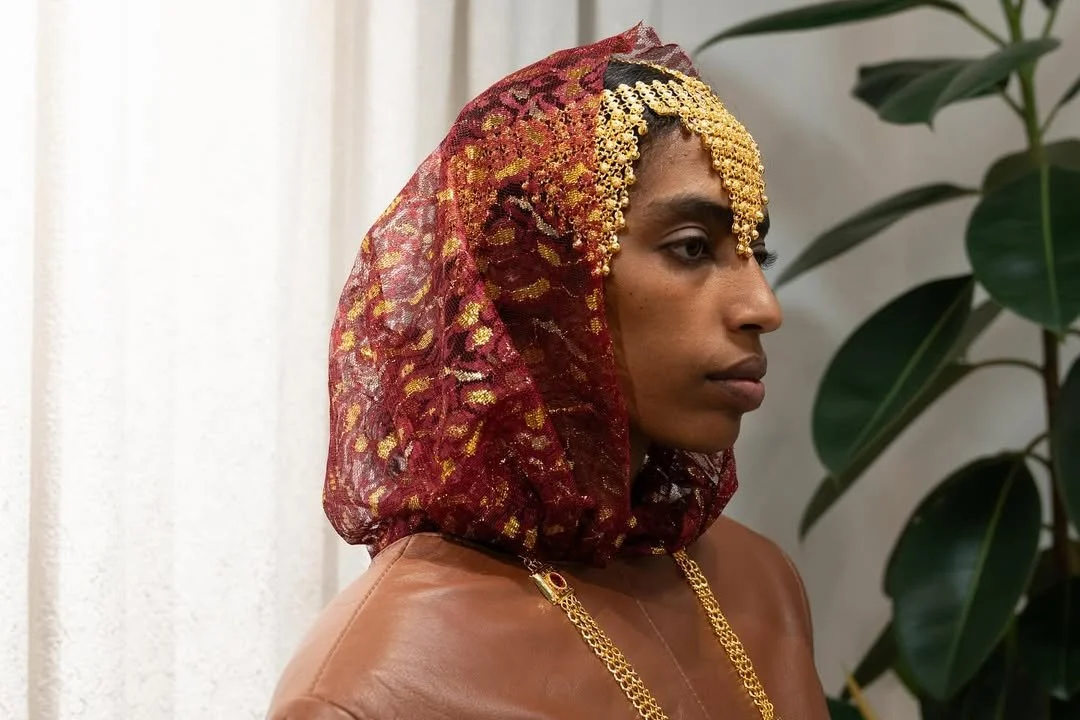


Cultural appreciation vs cultural appropriation. Do you have any fears about being met with this criticism?
I think it depends on what I'm sharing. Even within the Ethiopian context, there are pieces that I might love that may not be as Harari as I think they are. Am I allowed to share something that is actually of Tigray origin? Yes, I'm Ethiopian, I’m habesha, but even in that case, how can I mitigate as much as possible. Really doing my best to explain what everything is that I'm sharing, where it comes from, who is making it, if someone is making it, what their traditions are that are connected to these pieces, and really telling the story. I remember once I saw at a Free People store in the US, an Orthodox cross [mezkel]. Obviously the girls that were working in the store don’t have anything to do with that being on the shelves, but I went to them, and I was like, you know, if at least there was something here that explained this piece is from Ethiopia, Eritrea—this piece is used in this, this is inspired by this. And her response to me was, ‘Oh, no, no. This is made by free people, designers.’ That's kind of the far end of cultural appropriation, but it's a reality. Seeing people from the West just selling things that have so much meaning, and not only selling them, but in many cases, exploiting who they're buying from by buying pieces for so little and then selling them for an extraordinary, crazy price. And so whenever I would see these things, I would get really angry because I had considered, I've been considering for a long time, how do we commodify these pieces of our culture? And for a long time, I just didn't know how. I think I'll forever be figuring that out too. What's appropriate? It might be changing as we go. I remember 10, 15 years ago, when I was often coming back between the US and East Africa, friends would ask me ‘Why don't you start selling this stuff?’ I’d go on a tangent about who made it and who they are. These pieces are not just objects, they are stories as well. Beyond the story, how do you really make sure that you are properly supporting a person and not exploiting them and the culture.
When you first envisioned mähawa, what other limitations did you see in how culture and tradition were being represented?
In the last few years, it's been really refreshing to see more people of the diaspora, especially in the Western world, really succeeding at telling our stories and sharing our things and commodifying it. 10 years ago, it was a lot harder and maybe not valued in the way that people are starting to understand the value now. One can go to Morocco and be like, ‘wow, I sat on pillows and carpets and smelled incense, and I want to recreate that.’ But if they don't have a connection to that space, and they try to recreate it in the US for example, you can feel the lack of authenticity. Now I feel like I'm seeing a lot more things that are authentic, that feel authentic. And not only is that amazing, it’s also just creating these spaces where those of us from the diaspora of all kinds can feel more confident in who we are, can feel more connected to who we are, and feel valued. The value is always there, but it hasn’t been appreciated in the way that it deserves. I think we'll be seeing more of us that are first, second generation finding ways to connect with who we are through different mediums of art, and doing it beautifully and with confidence. The more of that that exists, the harder it is for someone that's not connected to do that and fake it. One thing this makes me think about too is the way in which a lot of our parents came to this country or had to flee their countries. Why? Why are we in countries like the United States or places in Europe? Just speaking for me and my parents, they left during the Red Terror in Ethiopia in the 70s, where the Derg were killing all of the students. In the 90s, there was a big exodus as well. But when you think of that context and their stories, we can understand how they chose. They felt they needed to assimilate their children in different ways that may have pulled us further away from some of our cultures. Even ones that we could have practiced more in the US. This homecoming, in my case, pulling stories out of my parents, has been a little difficult, but it's getting a bit better over time. At first with my mother, she’d be like ‘why do you want to know all of this?’ I realized she was having her own trauma responses or blocks to connecting back home. And that has to be handled really delicately and with a lot of love. There's a part of it where I'm like, maybe this is what we are meant to do: be the ones who reconnect us back. Because we have the ability to do that to some extent. Some of us more than others. But we have the ability to do some sort of reconnection that our parents couldn't because of trauma.
Has this journey in building mähawa changed how you see your own heritage?
Yeah, definitely. I think I've learned a lot, even within my own family. How much certain things were part of our certain practices, were part of gender norms—whether it was like making the traditional hats that we make for the men or the baskets that we put on the walls. How we don’t really do a lot of that anymore. Our culture has changed enough that I don't see us doing those things in the same way. And so just reconciling with that. Also, just learning more and more about all of the cultures that have come in and out of Harar and made Harar what it is. I feel like I'm learning something new every day about the intricacies of the different designs, from clothing to jewelry to housing. It's teaching me a lot about the history. Both of my parents are from there, so it's teaching me a lot about myself as well.
mähawa exists between a collection and a gallery, living at the intersection of art and commerce. How do you connect these worlds?
It's funny that you ask how you connect it, but I don't think I could do it without connecting it. As I've been developing mähawa internally—on paper, then in practice, and then in reality—it's been a long process for me. I not only want to properly give due diligence of the things I share, asking what the history is behind it. But also, how do I make sure I share it as beautifully as I can. I really see so much beauty in these things, in who we are. And some of these things that I want to share I see as art already. It already is art and commerce. I hope that it can stay that way for as long as possible.
You mention on your site that ‘each piece exists along the Continuum of Living Tradition’. Can you speak more about that?
I came up with this as a way to think about it, inspired by something I saw in New Mexico back in 2019. There was a shop that had a similar concept. What really struck me was how they labeled their pieces along a kind of continuum. I can’t recall exactly what they called it, but it was so inspiring to see that approach. Not only was this telling the story of where this piece is from and what it was used for, it was also telling the story of what extent is this still a part of the cultural practice today. What happens when no one knows how to make it anymore? What are the reasons why we lose some of these things that were part of our culture? Can having this information help us appreciate them more, or, if possible, even bring them back up to the other side of the continuum to be more of a flourishing item again. I broke it down in four parts: flourishing, fading, fragile, and forgotten. My hope is that everything that I share, I can label on this continuum of living tradition. Flourishing, something that's actively practiced, probably worn, maybe passed down, but is in abundance. Fading, it's still known, but less visible with each generation or with time. Fragile, pieces survived through limited use, but are vulnerable to loss. And forgotten, something that's really no longer practiced or used, and remembered only in traces. I hope to have some antique pieces that people can really appreciate. Maybe I'll have some pieces that are further on the fragile or forgotten side, but I think most of what I'll have should be kind of in the middle, but we'll see.
What do you hope endures, in spirit and in practice, from the work you’re creating today?
You know, I think even like coming back to this continuum of living tradition, some traditions do die for whatever reason. They are forgotten. One thing that's constant is change, and as we accept that we can still remember these things. So there's remembrance, and memory can bring up a lot within us that we might not have known was there. I hope to light a spark in people who can resonate with this a little closely, and maybe be inspired to learn more about some of the traditions. Particularly, with adornments. How so many traditions with adornments within their own cultures had function. I’ve seen an ear cleaner that actually is a beautiful silver jewelry piece. We really used our jewelry with function. So yeah, I hope that it can light a spark in people who come from cultures that they may not be as immersed in anymore, and make them curious about what the people before them came up with. How, in many ways, I think a connection to that can fuel one's own creativity in today's modern world, through different ways. Just celebrating these things that we might have been shy to celebrate before—being really proud of who we are and finding beauty in these traditions in a way that we can integrate them with our lives on the daily.
-
Dec 10, 2025